Tilt
Scheduled inclination readings show changes in tilt angle over time.

Wireless inclination monitoring
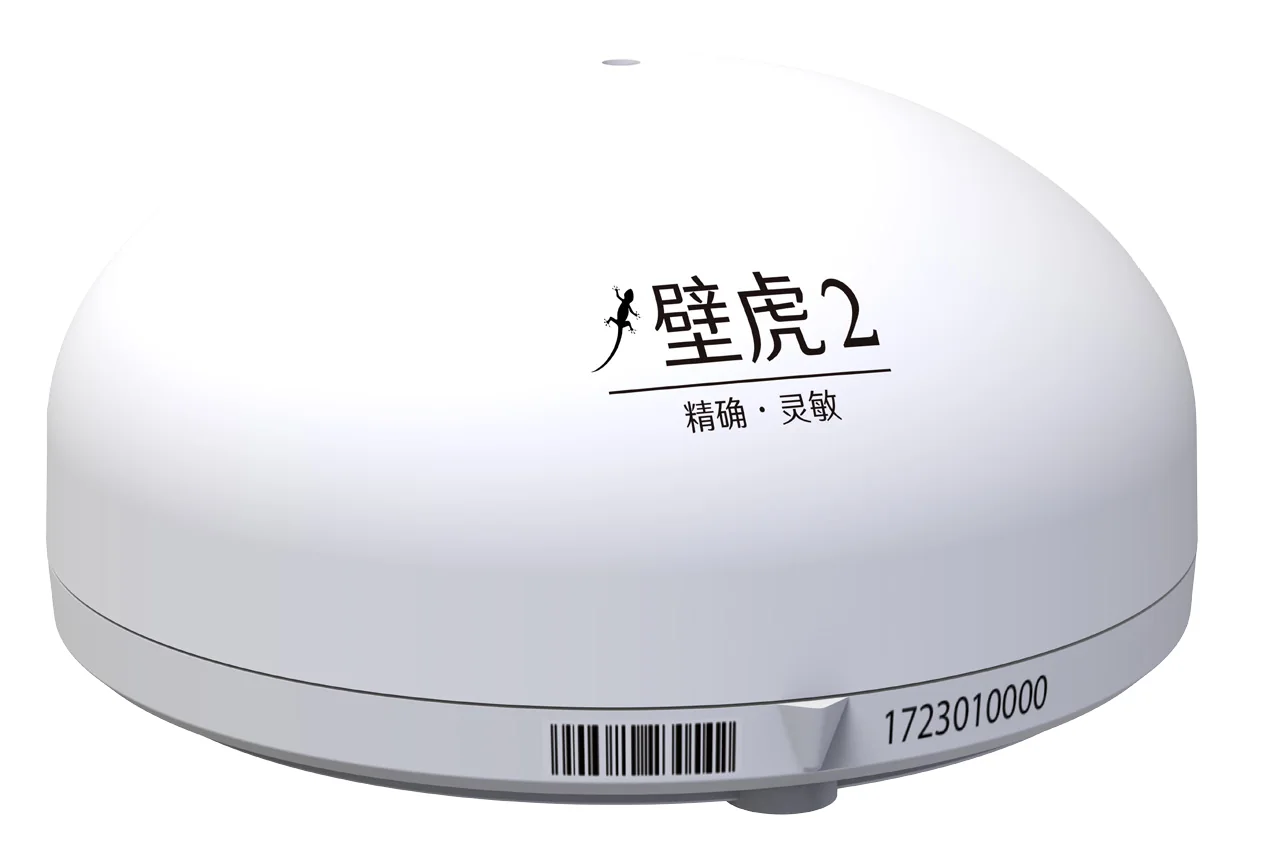
The RT-1070 is a compact wireless tiltmeter with built-in battery power and 4G LTE Cat 1 communications. Adhesive or L-bracket mounting suits distributed structural monitoring points. Configured tilt or vibration acceleration thresholds trigger additional reports, with data reaching the server within 15 seconds.
Measurements
Scheduled inclination and azimuth readings show changes over time. Transient vibration events produce peak acceleration readings and can trigger additional reports. Internal temperature and battery status support remote device checks.
Scheduled inclination readings show changes in tilt angle over time.
Azimuth indicates the direction of inclination.
Peak acceleration is recorded for transient events greater than 10 mg.
Internal temperature and battery status support device checks.
Latitude and longitude help locate devices in the field.
Installation
Select a mounting method for the surface and required accuracy. A firm attachment keeps the sensor coupled to the structure; battery power and 4G communications remove the need for power or data cabling.
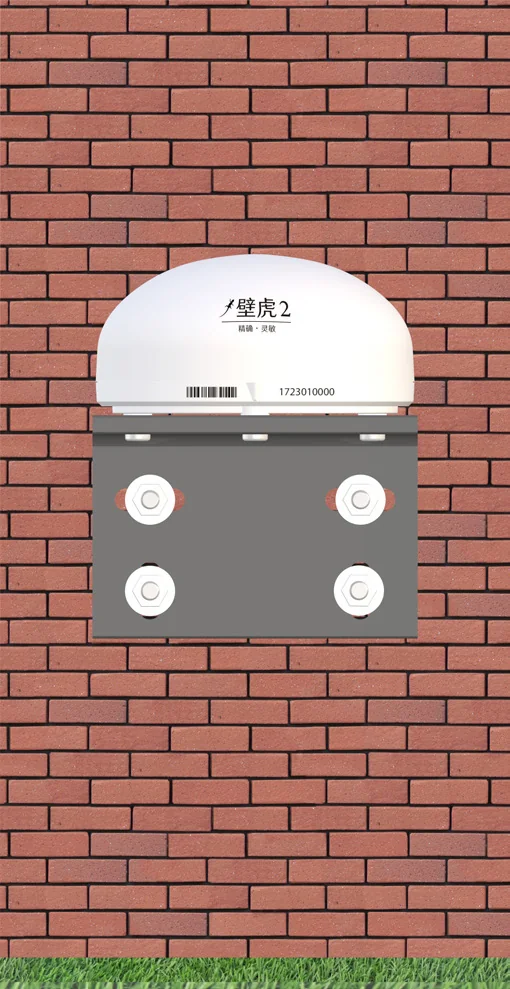
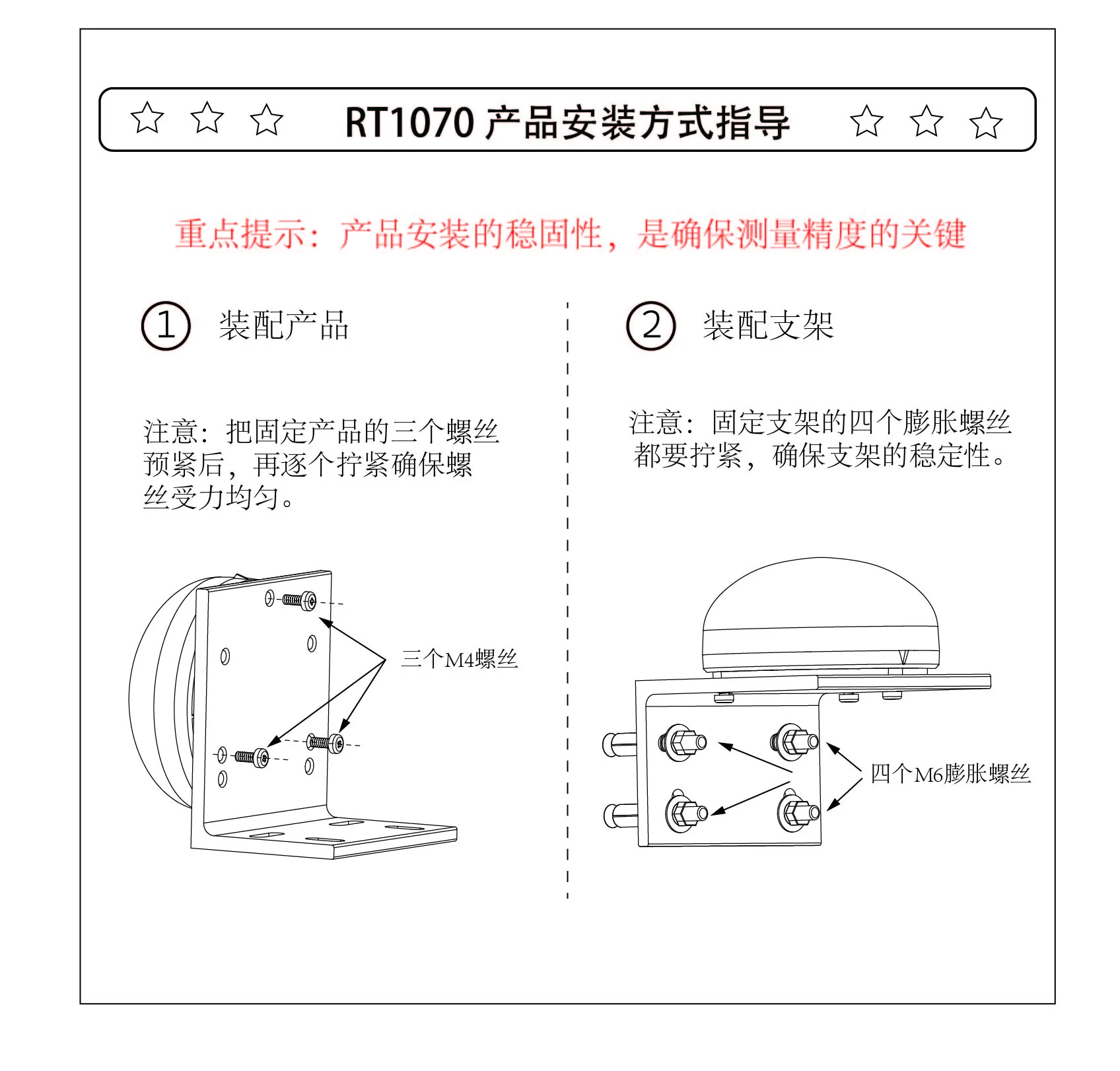
Fix the bracket firmly to the structure and tighten the sensor screws evenly. Tilt accuracy is ±0.005° within ±30°.

Bond the sensor to a flat, clean and dry surface, then allow 24 hours for full curing. This method reduces drilling and bracket work, with 0.05° tilt accuracy.
Record the installation location and device serial number. Use the magnet to trigger a test transmission and confirm that the data reaches the server.
Benefits
Scheduled readings, threshold-triggered reports and a long-life battery support remote monitoring between site visits.
A configured tilt or vibration acceleration threshold triggers additional reports, with data reaching the server within 15 seconds.
Specified operating life exceeds 60 months at a 4-hour reporting interval, with over 18,000 data reports per battery.
Remote access supports reading review and changes to acquisition intervals, reporting intervals and thresholds during commissioning and routine maintenance.
More than 140,000 units deployed across the RT-1050 and RT-1070 series combined.
Applications
Distributed structural and geohazard monitoring where cabling is difficult or external power is unavailable.
Surface-mounted sensors track rock tilt and transient vibration peaks.
Wall-mounted sensors record inclination and direction at selected structural locations.
4G reports provide inclination and transient vibration peaks from selected structural locations.
Wireless sensors track long-term inclination and direction without external power or data cables.
Specifications
Product support
Product data sheets and configuration details are available from our engineers.
Contact usThe compact RT-1070 uses 4G LTE Cat 1 and offers adhesive or L-bracket mounting. The RT-1050 has approximately four times the battery capacity and offers optional LoRa communications and SM2/SM4 encryption. Choose based on mounting, communications and battery requirements.
Choose an L-bracket for ±0.005° accuracy within ±30°. Adhesive mounting suits flat, clean and dry surfaces where 0.05° accuracy is sufficient. Allow 24 hours for full curing.
The RT-1070 primarily measures tilt and records peak acceleration from transient vibration greater than 10 mg. These events can trigger additional reports. Use a dedicated vibration monitoring product when the task requires continuous waveforms or spectrum analysis.
No. The built-in lithium thionyl chloride battery provides power, and 4G LTE Cat 1 handles communications. Confirm stable 4G coverage at the installation location.