Tilt
Inclination readings show gradual changes in ground or structural tilt.

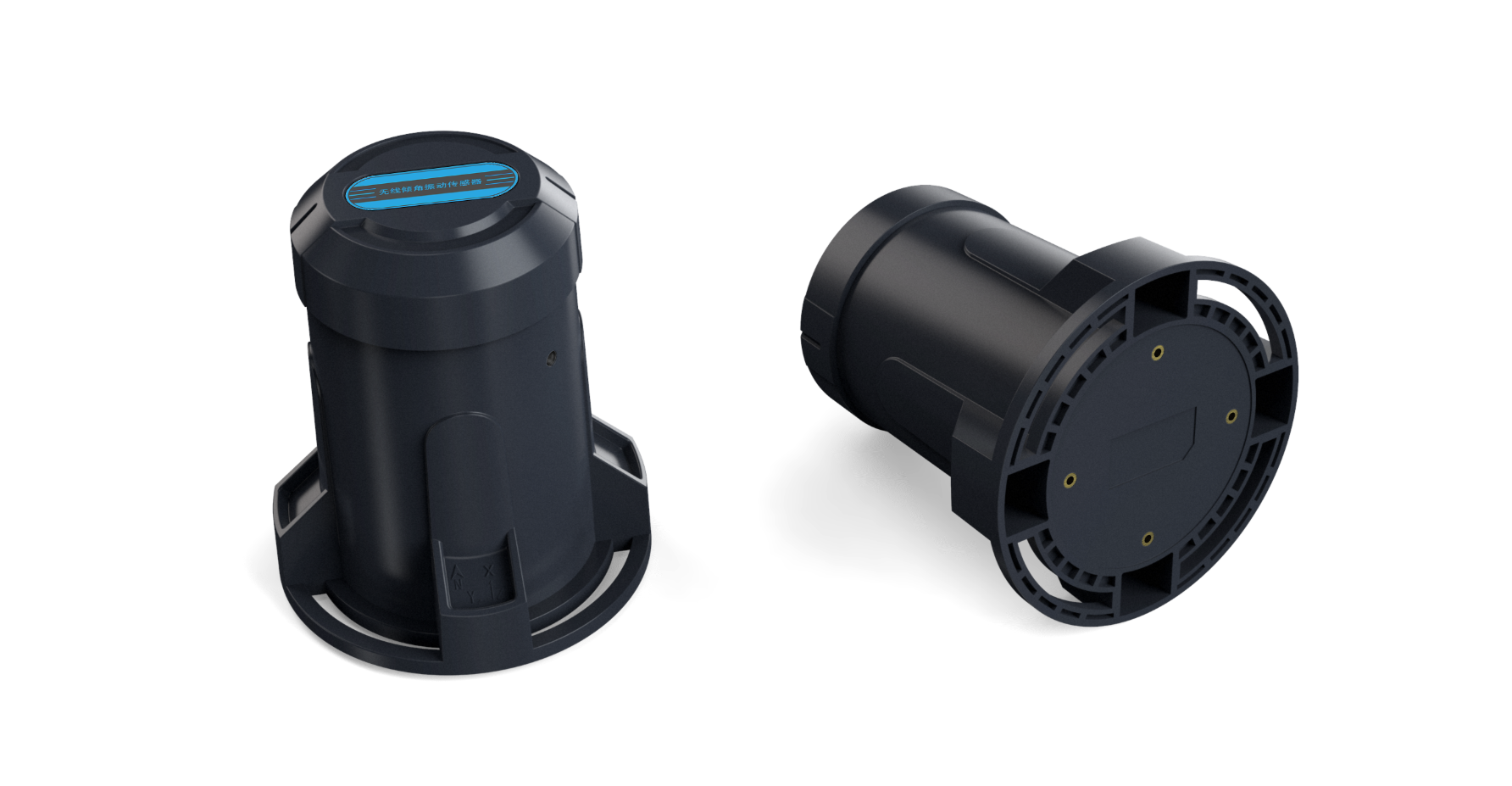
Wireless tilt and vibration monitoring
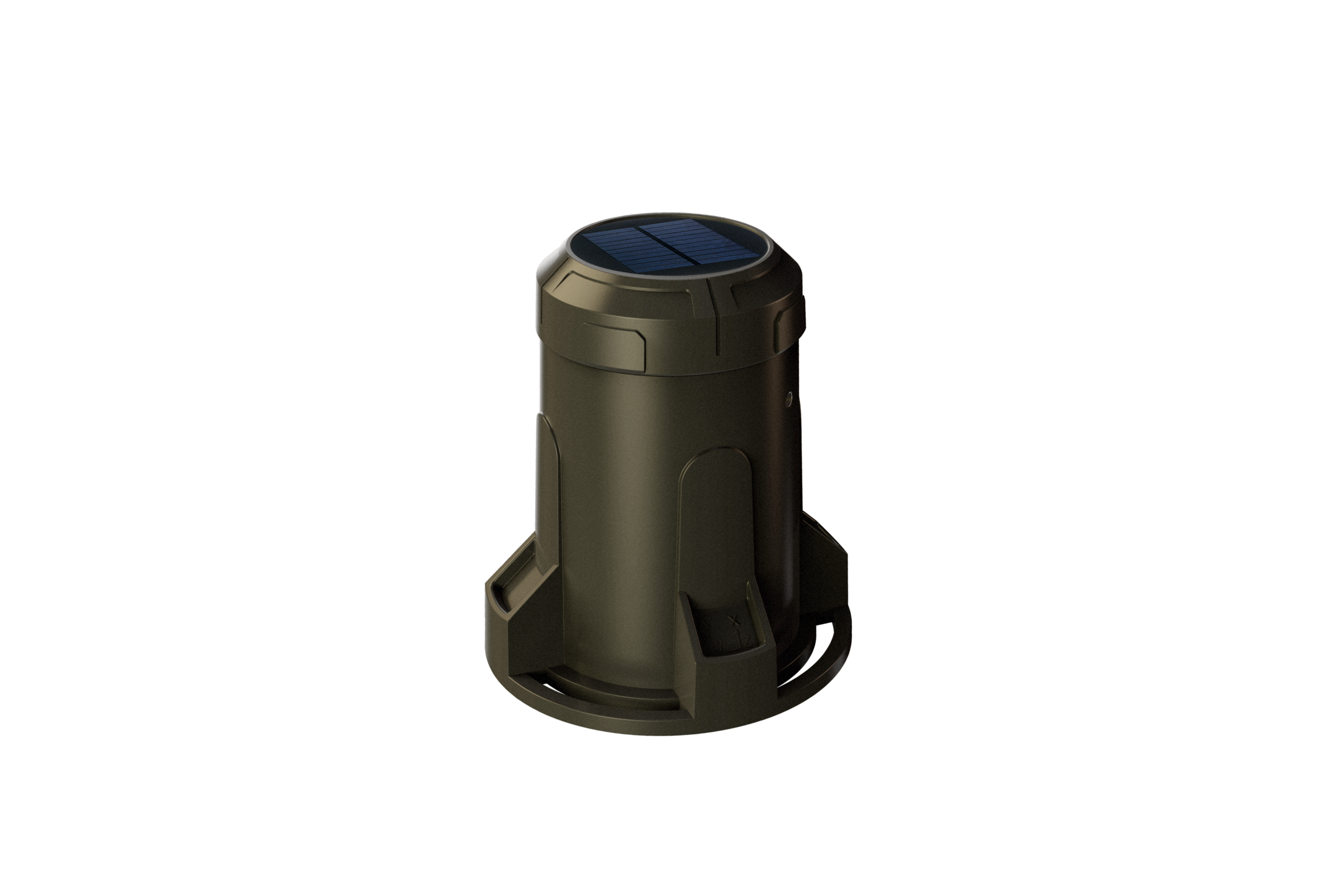
The RT-1050 is a wireless tilt and vibration sensor for slopes, buildings, towers and bridges. A built-in 76 Ah lithium thionyl chloride battery powers sensing, acquisition and 2G/3G/4G communications without external power or data cabling. Configured tilt and vibration thresholds trigger additional reports. LoRa communications, BeiDou/LBS positioning and SM2/SM4 encryption are optional.
Measurements
Inclination and azimuth show the magnitude and direction of tilt. Peak acceleration captures transient vibration events, while internal temperature and battery voltage support remote device checks.
Inclination readings show gradual changes in ground or structural tilt.
Azimuth indicates the direction of inclination when assessing deformation trends.
Peak acceleration is recorded for transient vibration events greater than 10 mg.
Internal temperature and battery voltage support checks alongside the monitoring readings.
Optional BeiDou or LBS positioning helps locate devices in the field.
Installation
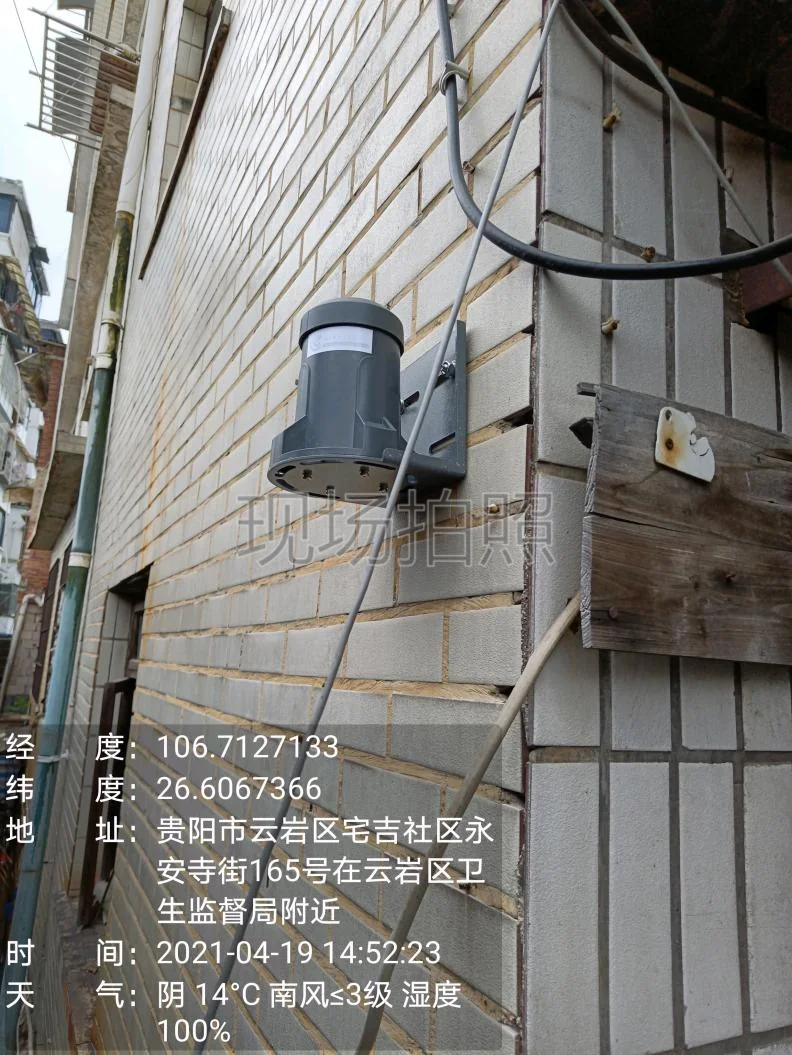
A buried support couples the sensor to ground movement; a wall bracket suits structures. Battery power and wireless communications remove the need for external power and data cabling.
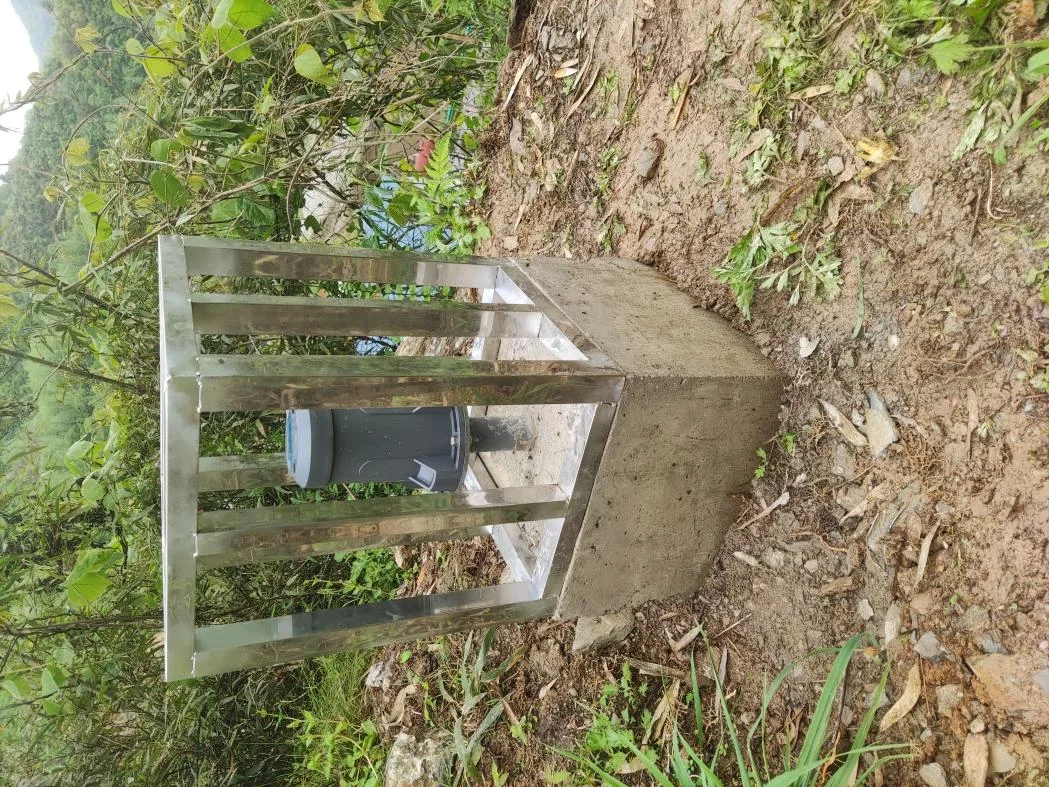
Use a buried mounting support on slopes and landslides so the sensor follows ground movement.
Use a wall bracket at selected monitoring points on buildings, towers and bridges.
Use a protective guard or cover where the sensor may be exposed to accidental impact.
Benefits
Low-power scheduled acquisition records routine readings. A configured tilt or vibration threshold switches the sensor to active mode for additional reports between scheduled readings.
A tilt or vibration acceleration threshold switches the sensor to active mode for additional reports between scheduled readings.
Specified battery life is 60 months at a 2-hour reporting interval, with no solar equipment or external supply required.
Remote access supports reading review, settings, voltage and fault-code checks, and firmware updates.
Ground and wall accessories, wireless installation and remote batch configuration make distributed sites easier to manage.
More than 140,000 units deployed across the RT-1050 and RT-1070 series combined.
Applications
Battery power and wireless reporting suit distributed sites with limited access to external power.
Inclination and azimuth readings track ground movement, with additional reports triggered by transient vibration.
Wall mounting supports inclination monitoring without external power or communications cabling.
Inclination and azimuth readings track movement at selected locations, with optional positioning for device location.
Inclination and peak acceleration readings capture transient vibration greater than 10 mg at selected structural points.
Specifications
Product support
Product data sheets and configuration details are available from our engineers.
Contact usThe RT-1050 has approximately four times the RT-1070 battery capacity and offers optional LoRa communications and SM2/SM4 encryption. The smaller RT-1070 uses 4G LTE Cat 1 and supports adhesive or L-bracket mounting.
A configured tilt or vibration acceleration threshold switches the sensor to active mode for additional reports between scheduled readings.
The specified operating life is 60 months with a 2-hour reporting interval.