01
Drill and retain soil samples
Use the dedicated soil auger to reach the selected monitoring depth. If calibration is required, retain separate samples from the target soil layers.

Soil and surface monitoring
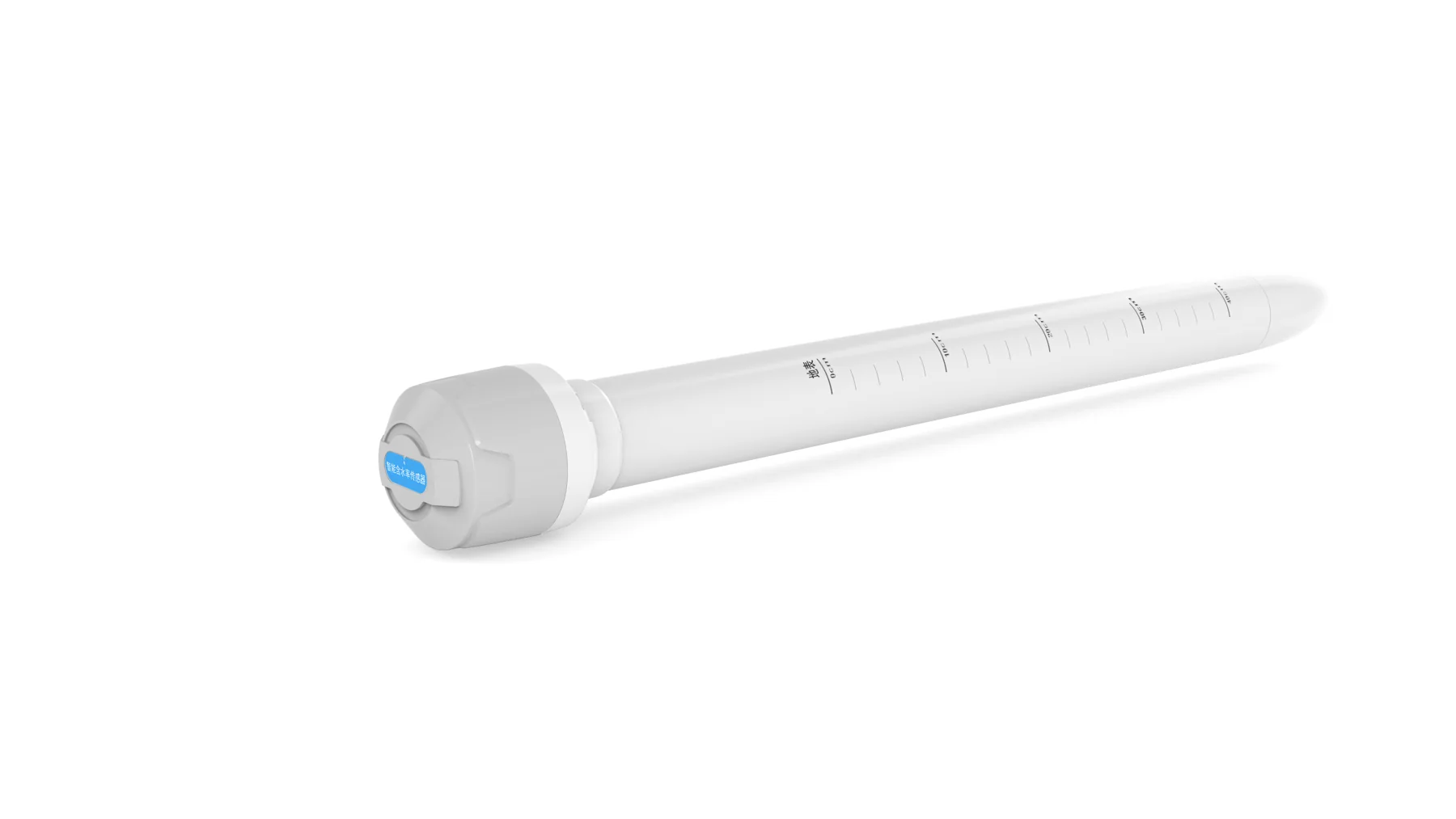
The RT-1040 combines multi-depth soil moisture measurements with tilt and peak acceleration from occasional vibration. Configure the layers for the target soil profile and connect over 4G Cat.1 for geohazard, hydrology and agricultural monitoring.
Working principle
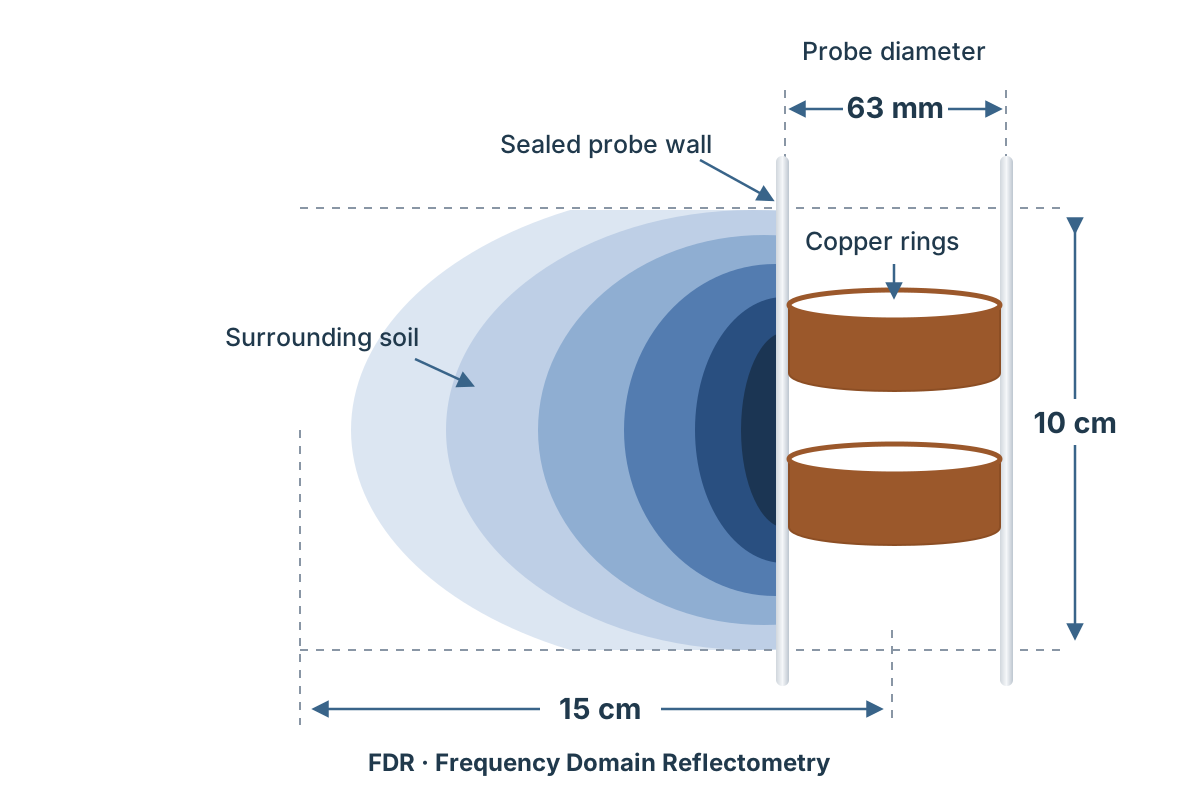
Fixed-spacing copper-ring electrodes sense the frequency response of the surrounding soil to measure moisture.
Field installation
Drill to the selected monitoring depth and use a native-soil slurry to ensure close contact between the probe and soil.
Use the dedicated soil auger to reach the selected monitoring depth. If calibration is required, retain separate samples from the target soil layers.
Mix native soil with water to form a uniform, thick slurry that does not flow freely. Remove stones and large clods. Fill the hole, then insert the probe slowly to expel air and excess slurry, ensuring close contact with the hole wall.
Benefits
Frequency Domain Reflectometry measures moisture at different soil depths. Tilt and peak acceleration from occasional vibration help track changes at the monitoring point.
Supports up to 10 monitoring layers with a minimum spacing of 10 cm. Common configurations include a 40 cm monitoring depth with 4 layers at 10 cm spacing, and an 80 cm monitoring depth with 4 layers at 20 cm spacing.
Data is acquired on a schedule. Tilting movement can trigger soil moisture acquisition and reporting, supporting comparison of soil-water conditions and surface movement.
A lithium thionyl chloride battery provides 60 months of operation at a 2-hour reporting interval. Sealed probe construction and IP68 protection support outdoor soil monitoring.
Applications
Specifications
Product support
Contact our technical team for current product information and project configuration.
Discuss your monitoring requirementsAccuracy is better than ±2% with single-point calibration and better than ±4% without calibration. Select the approach for the site soil and project requirements.
Monitoring depth is 0–100 cm, with custom depths of 160 cm and 200 cm available. Up to 10 layers are supported at a minimum spacing of 10 cm. Common configurations are 40 cm depth with 4 layers at 10 cm spacing, and 80 cm depth with 4 layers at 20 cm spacing.
The device uses a lithium thionyl chloride battery, providing 60 months of operation at a 2-hour reporting interval.
It reports peak acceleration from occasional vibration with acceleration greater than 10 mg. Select a dedicated vibration product for continuous waveforms or spectrum analysis.